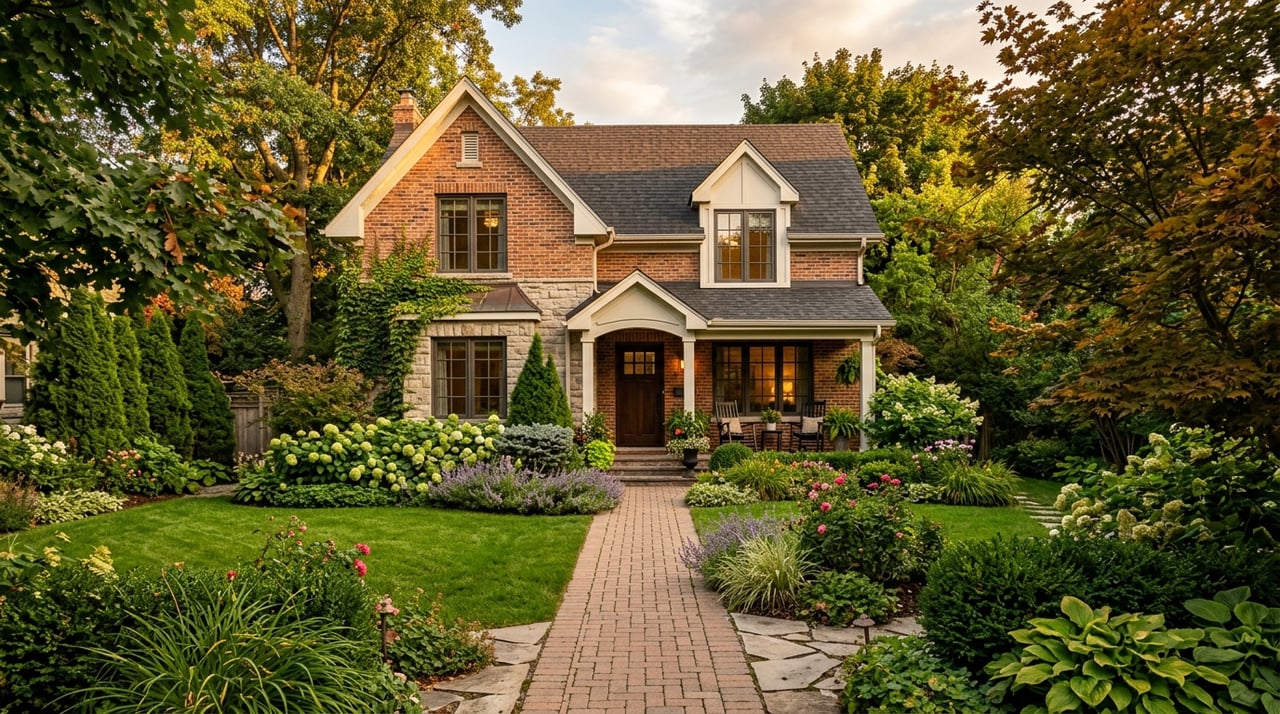
If you are house hunting in Star, one question comes up fast: should you choose a brand-new home or an established one? In a city growing as quickly as Star, that decision can shape your timeline, monthly costs, yard expectations, and even how confident you feel about the neighborhood around you. The good news is that both options can work well if you match the home to your goals. Let’s break down what matters most so you can make a smart, low-stress choice.
Why this choice matters in Star
Star is not a slow, static market. Census QuickFacts estimates Star had 20,874 residents as of July 1, 2025, up 84.6% from April 2020, and the city covers just 7.66 square miles. That kind of growth can change how buyers think about future development, lot selection, and how quickly an area may evolve.
The city’s demographic report also says Star grew from 11,117 people in 2020 to over 20,000 by 2024, with projections of 34,250 by 2030 and 57,000 by 2040. As the city grows, demand for parks, pathways, and public services grows too. For you as a buyer, that makes it even more important to look beyond the house itself and think about the setting around it.
Local MLS data also shows that both new and established homes are active parts of the Star market. In Q1 2026, the Star MLS area recorded 203 single-family sales, including 157 new-construction sales and 46 existing-home sales. Median prices were $614,000 for new construction and $651,250 for existing homes, which is useful market context but not a promise of future appreciation.
Why buyers choose new builds
A new build usually appeals to buyers who want a home that feels current, clean, and tailored to their preferences. If you like the idea of choosing finishes, layouts, and design details, new construction can give you more control than a resale home. That can be especially attractive if you want a home that fits your lifestyle from day one.
New homes also often come with builder warranty coverage. FTC guidance says workmanship and materials on many components are commonly covered for one year, HVAC, plumbing, and electrical systems for two years, and some builders offer up to 10 years for major structural defects. That added layer of coverage can help you feel more comfortable about early ownership costs.
Another draw is that new construction is a major part of Star’s housing activity right now. With so many new-home sales in the local market, buyers often have several communities and floor plans to compare. If your priority is modern finishes and a newer layout, Star gives you real options.
The tradeoffs with new construction
The biggest tradeoff is time. National guidance cited in the research report notes that custom home design can take 3 to 6 months, and construction often takes 12 to 16 months or longer. Even if you are buying a production home instead of fully custom, new construction usually requires more patience than a standard resale purchase.
You also need to plan for moving parts that do not always show up in a simple price comparison. Freddie Mac advises buyers to confirm the completion date, understand what happens if the timeline changes, and still schedule a home inspection even though the home is new. A brand-new house is still a major construction project, and due diligence still matters.
In Star, new construction also comes with local utility and permit context. The city says sewer and water permits for new construction must be submitted with plans, and the Building Department enforces code compliance. Star Sewer & Water District currently lists monthly water fees of $25.60 and sewer fees of $54.25, so those ongoing costs should be part of your budget.
Yard and landscape expectations
One of the most overlooked parts of buying new is the yard. A fresh landscape may look neat, but it usually takes time to mature. Colorado State University Extension says a newly planted tree may take 1.5 to 6 years or more to fully establish, depending on size.
That matters if you picture shade, privacy, or a lush backyard right away. New landscaping needs regular irrigation and care during establishment. If outdoor living is a big part of your decision, the lot may deserve just as much attention as the floor plan.
Why buyers choose established homes
Established homes tend to work well for buyers who want clarity and speed. You can walk the property, see the actual street, evaluate the lot, and understand the home’s condition before closing. That can make decision-making feel simpler, especially if you are relocating or trying to move on a tighter timeline.
A resale home also gives you a more complete picture of the neighborhood setting. You can see how landscaping has matured, how the homes relate to one another, and what the streetscape looks like right now. In a fast-growing place like Star, that neighborhood certainty can be a real advantage.
For some buyers, the yard alone can tip the scales toward an established home. Mature trees, finished fencing, and established outdoor spaces often take years to create. If you value that lived-in feel, a resale home may align better with what you want.
The tradeoffs with established homes
The main tradeoff is that older homes may bring repair or update costs sooner. CFPB notes that homeownership costs can include repairs, property taxes, insurance, HOA dues where applicable, closing costs, moving costs, furniture, and improvements. With an established home, some of those costs may come up faster if systems are aging or the home needs cosmetic work.
That is why inspections matter so much on resale purchases. CFPB recommends scheduling a home inspection as soon as possible, and if the contract includes an inspection contingency, you may be able to cancel without penalty if the results are not satisfactory. In practical terms, that gives you a chance to learn about wear, deferred maintenance, and repair priorities before you fully commit.
There may also be property-specific risks to review. CFPB advises buyers to ask about flood and disaster risk, past damage, repair quality, and whether insurance has been difficult to obtain. In Star, the city’s floodplain page says a development permit is required before construction in an area of special flood hazard, so parcel-level flood review matters whether the home is new or established.
Key questions to help you decide
Do you need to move quickly?
If your timeline is tight, an established home is often the better fit. You avoid the design, build, and completion timeline that can come with new construction. That can be especially helpful if you are coordinating a job move, school-year timing, or the sale of your current home.
Do you want personal finishes?
If choosing colors, materials, and layout details is a top priority, new construction may be the better path. You may have the chance to create a home that feels more customized to your daily life. Just make sure you account for upgrade costs and possible delays.
Do you care most about the yard?
If a mature yard matters most, established homes usually have the edge. Trees, shrubs, and outdoor living areas often need years to fully settle in. A new home may offer a clean slate, but it usually will not give you instant maturity.
Are you focused on long-term value?
In Star, the better question is usually not new versus old. It is whether the specific home makes sense based on lot, finish level, HOA, utility costs, school assignment, and the surrounding area. With the city growing so quickly, the details of the property often matter more than the age label alone.
Star-specific details to verify before you buy
No matter which path you choose, a few local checks can make a big difference.
- School assignment: West Ada School District has an elementary school in Star at 2305 N Pollard Ln, and the district says 2026-27 boundary maps and bussing eligibility are subject to change. Verify school assignment by exact address rather than neighborhood name.
- Floodplain status: Review the parcel carefully, especially if the property may be in or near a special flood hazard area.
- Utility costs and setup: For new homes, confirm fees and utility activation details. For resale homes, Star Sewer & Water District says transfer is handled through the title company at closing and services stay active during the process.
- Inspection and warranty coverage: New homes still need inspections, and resale homes need a clear condition review. If you are buying new, ask for specific warranty terms in writing.
A simple way to think about it
If you want customization, modern finishes, and builder warranty coverage, new construction may be the stronger fit. If you want speed, a mature yard, and a clearer sense of the neighborhood before closing, an established home may serve you better. In Star, both choices can make sense because both are active parts of the market.
The right answer usually comes down to how you live, how soon you need to move, and how much uncertainty you are comfortable managing during the process. A thoughtful plan can help you weigh the emotional side of the move along with the long-term financial picture. If you want help comparing options in Star with both design insight and practical strategy, connect with Chadwick Gilmore.
FAQs
What is the main difference between a new build and an established home in Star?
- A new build usually offers more customization and builder warranty coverage, while an established home usually offers a faster move, a finished neighborhood feel, and more mature landscaping.
Are new construction homes common in Star?
- Yes. Local MLS data for Q1 2026 shows 157 new-construction single-family sales and 46 existing-home sales in the Star MLS area.
Should you still get an inspection on a new home in Star?
- Yes. The research report notes that buyers should still order a home inspection even when the home is newly built.
Why do school boundaries matter when buying in Star?
- West Ada says attendance boundaries and bussing eligibility can change, so you should verify school assignment by exact address instead of assuming it based on the neighborhood name.
Do established homes in Star usually have lower ownership costs?
- Not always. While resale utility transfer can be straightforward, established homes may bring earlier repair, update, or maintenance costs depending on condition and age.
How should you choose between new and established homes in Star?
- Choose based on your priorities. If you value personalization and newer finishes, new construction may fit better. If you value speed, lot maturity, and neighborhood certainty, an established home may be the better choice.